What is the Widal Test?
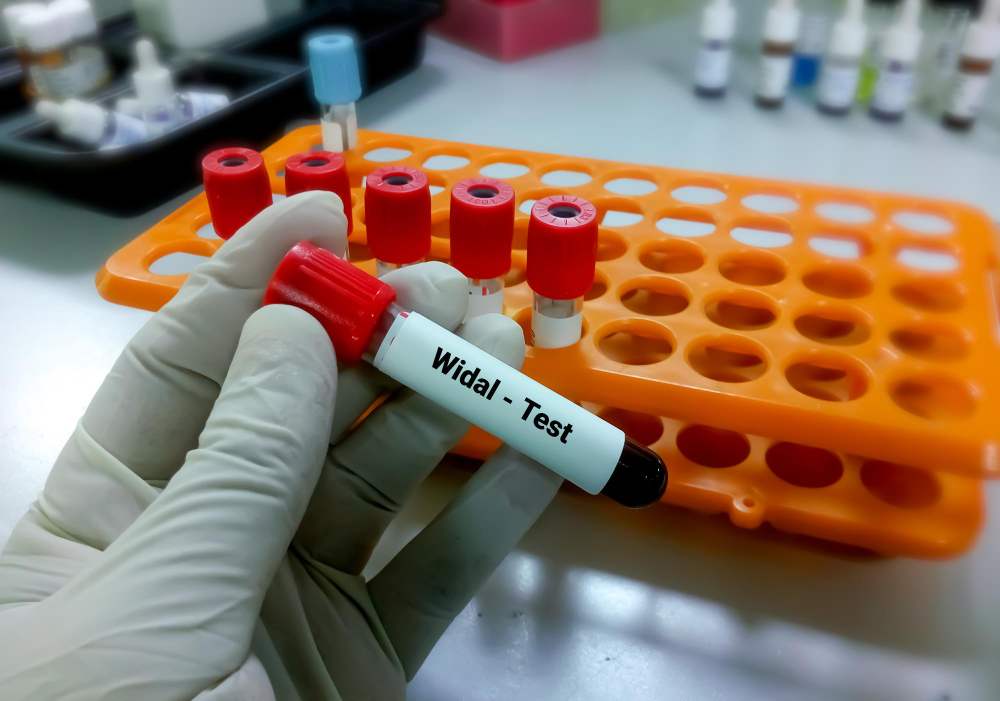
The Widal test is a simple blood test. It helps doctors check for typhoid fever. Typhoid is a serious infection caused by Salmonella bacteria. The test looks for certain antibodies in your blood. These antibodies appear when your body fights the bacteria. Because of this, the Widal test is often used for typhoid diagnosis. According to the World Health Organization (WHO), this test is common in areas where typhoid is widespread.
Why is the Widal Test Performed?
Doctors use the Widal test to help diagnose typhoid fever. If you have symptoms like high fever, stomach pain, or headache, your doctor may suggest this test. Sometimes, the test is also used to check for paratyphoid fever, which is similar to typhoid. Early diagnosis is important because typhoid can be dangerous if not treated quickly. In many places, the Widal test is one of the first tests done when typhoid is suspected.
How is the Widal Test Done?
The Widal test procedure is simple and quick. Here is what usually happens:
The whole process takes only a few minutes. You can return to your normal activities right after the sample is taken.
How to Interpret Widal Test Results?
Widal test interpretation can be tricky. The test looks for two types of antibodies: O and H. These antibodies fight the Salmonella bacteria. The results are given as numbers called titers. A higher titer means more antibodies are present. However, a single test may not be enough. Doctors often compare two samples taken a week apart. If the titer rises, it may mean you have typhoid. Still, other infections can also cause high titers. Because of this, doctors use your symptoms and other tests to confirm the diagnosis.
Limitations and Accuracy of the Widal Test
While the Widal test is helpful, it has some limits. For example, it may not always be accurate. Sometimes, people with other infections show high titers. Also, people who had typhoid before may still have antibodies. In some cases, the test may miss early infections. The Centers for Disease Control and Prevention (CDC) notes that the Widal test is less reliable in areas where typhoid is common. Because of these reasons, doctors may use other tests along with the Widal test for typhoid diagnosis.
Safety, Risks, and Aftercare
The Widal test is safe for most people. The risks are very low. You may feel a small pinch when the needle goes in. Some people may have mild bruising or soreness at the spot. Rarely, there may be slight bleeding or infection. To care for your arm, keep the area clean and dry. If you notice swelling or pain, tell your doctor. Most people feel fine after the test and can go home right away.
Frequently Asked Questions About the Widal Test
Conclusion
In summary, the Widal test helps doctors check for typhoid fever. It is quick and safe, but not always perfect. If you have symptoms or concerns, consult a healthcare professional at Jivanrekha Multispeciality Hospital Pvt Ltd for personalized advice about the Widal test.