
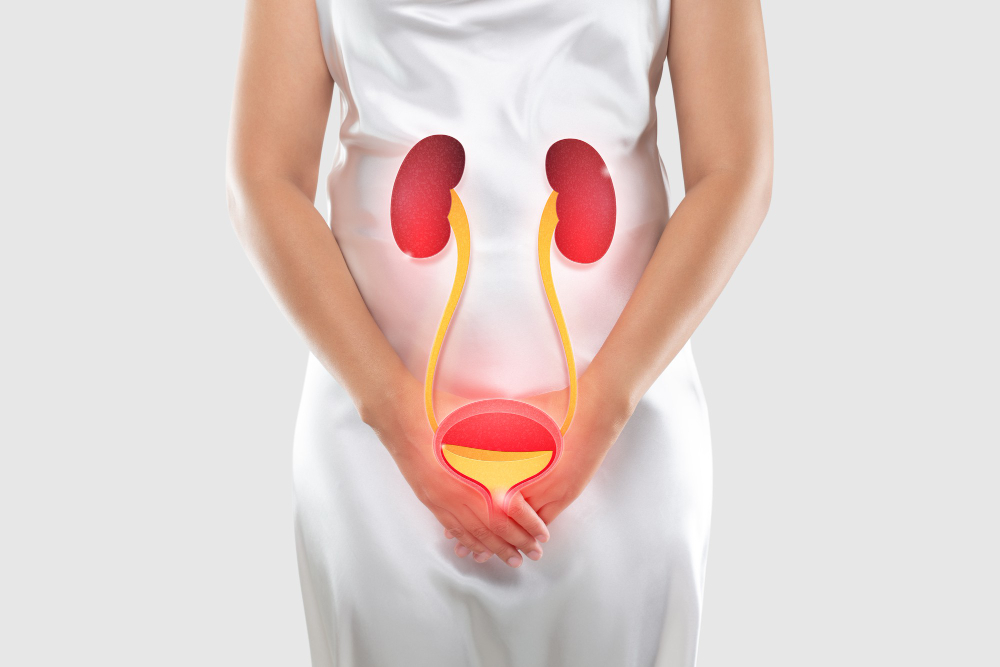
What is Urosepsis?
Urosepsis is a serious infection that starts in the urinary tract and spreads to the blood. Because it can quickly become life-threatening, early treatment is very important. Urosepsis can affect anyone, but some people are at higher risk. In many cases, the infection begins as a simple urinary tract infection (UTI). However, if left untreated, it can spread and cause severe illness. According to the CDC, sepsis, including urosepsis, is a leading cause of death in hospitals worldwide.
Symptoms of Urosepsis
Recognizing urosepsis symptoms early can save lives. While symptoms may start mild, they can get worse fast. Therefore, knowing what to look for is key. Common signs include:
If you notice these symptoms, especially after a UTI, seek help right away. Early action can prevent serious problems.
Causes and Risk Factors
Urosepsis usually starts with a urinary tract infection. Sometimes, bacteria from the bladder or kidneys enter the bloodstream. As a result, the infection spreads quickly. Several factors can increase your risk:
Because some people have more risk, they should watch for early signs. For example, older adults and those with diabetes need to be extra careful.
How Urosepsis is Diagnosed
Doctors use several steps to diagnose urosepsis. First, they ask about your symptoms and medical history. Next, they may check your blood pressure, heart rate, and temperature. To confirm the diagnosis, doctors often order tests such as:
Because urosepsis can get worse quickly, doctors act fast. Early diagnosis helps start treatment sooner and improves the chance of recovery.
Treatment Options
Urosepsis treatment must begin as soon as possible. Usually, doctors give strong antibiotics through a vein. In some cases, patients need fluids or oxygen. Sometimes, surgery is needed to remove the source of infection, like a blocked kidney. Treatment steps often include:
Because urosepsis is life-threatening, most people need hospital care. Quick treatment can save lives and prevent long-term problems.
Prevention Tips
Preventing urosepsis starts with good urinary health. While not all cases can be avoided, you can lower your risk by following these tips:
Because early treatment of UTIs can stop urosepsis, always pay attention to changes in your health.
When to Seek Medical Help
If you have signs of a UTI and start to feel very sick, do not wait. For example, if you have fever, confusion, or pain in your back, seek medical help right away. Early care can prevent serious illness. In summary, urosepsis is a medical emergency. Quick action saves lives.
If you notice symptoms of urosepsis, consult a healthcare specialist at Jivanrekha Multispeciality Hospital Pvt Ltd immediately for personalized care.