
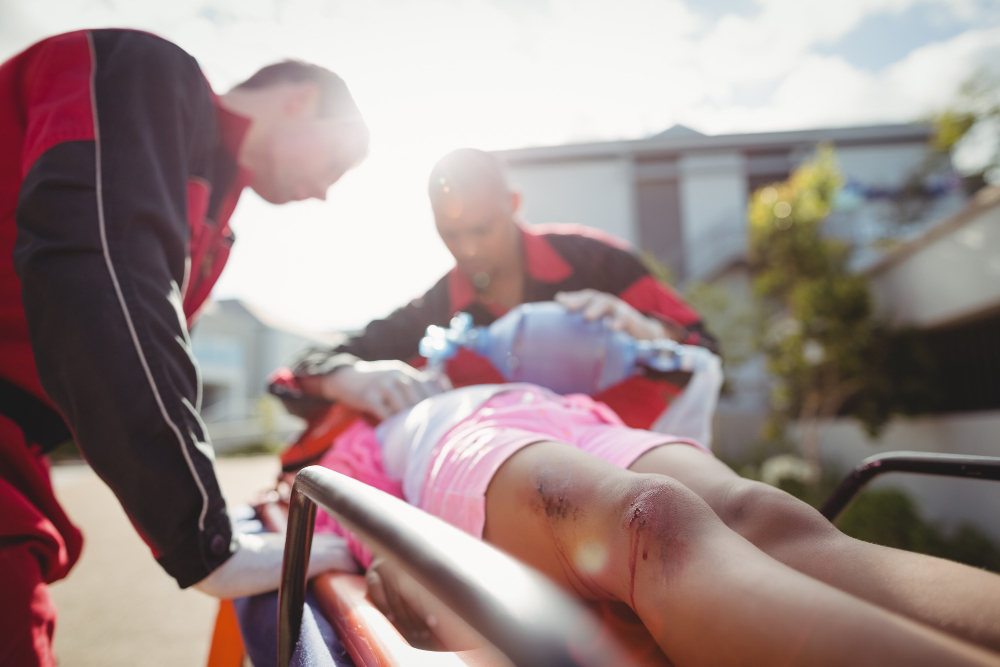
What Are Burn Emergencies?
Burn emergencies happen when skin or deeper tissues are damaged by heat, chemicals, electricity, or radiation. These injuries can range from mild to life-threatening. Because burns can cause pain, swelling, and even shock, it is important to know how to respond quickly. In many cases, fast action can prevent further harm. Burn emergencies are common in homes, workplaces, and public places. Understanding what to do can help save lives.
Common Causes of Burn Emergencies
Burns can happen in many ways. Some causes are more common than others. For example, you may get burned by touching something hot or by coming into contact with chemicals. Here are some frequent causes of burn emergencies:
Because burns can happen anywhere, it is important to stay alert in kitchens, bathrooms, and workplaces. In addition, always keep chemicals and electrical items out of children’s reach.
Symptoms and Severity Levels of Burns
Burns are grouped by how deep they go into the skin. Each level has different symptoms. Knowing these signs helps you decide what to do next. Here are the main types:
Sometimes, burns can cause other symptoms like fever, chills, or trouble breathing. If you notice these, act quickly.
Immediate First Aid Steps for Burns
Quick first aid can help limit damage from burn emergencies. Follow these steps right away:
Because burns can get worse, always watch for signs of infection or shock. If you are unsure, seek medical help.
When to Seek Emergency Medical Help
Some burns need urgent care. But how do you know when to go to the ER for burns? Seek emergency help if:
Because some burns can be life-threatening, do not wait if you are unsure. Call emergency services or go to the nearest emergency room right away.
Prevention Tips for Burn Injuries
Burn prevention tips can help keep you and your family safe. Here are some simple ways to lower your risk:
Because accidents can happen quickly, always stay alert in risky areas. In addition, teach children about burn safety early.
Frequently Asked Questions About Burn Emergencies
Can I pop burn blisters?
No, do not pop blisters. They protect the skin and help healing. If a blister breaks, keep it clean and covered.
Should I use ice on a burn?
No, do not use ice. Ice can damage the skin further. Instead, use cool running water.
What if clothing is stuck to the burn?
Do not try to remove it. Cut around the stuck fabric and seek medical help.
How long does it take for a burn to heal?
It depends on the severity. Minor burns may heal in a week or two. Deep burns take longer and may need special care.
When should I see a doctor for a burn?
If the burn is large, deep, or on a sensitive area, see a doctor. Also, seek help if you notice signs of infection or if pain gets worse.
Conclusion
Burn emergencies can happen at any time. Because quick action can make a big difference, it is important to know the symptoms, first aid steps, and when to seek help. If you or someone you know experiences a burn emergency, consult a healthcare professional at Jivanrekha Multispeciality Hospital Pvt Ltd or visit the nearest emergency room for personalized care.