
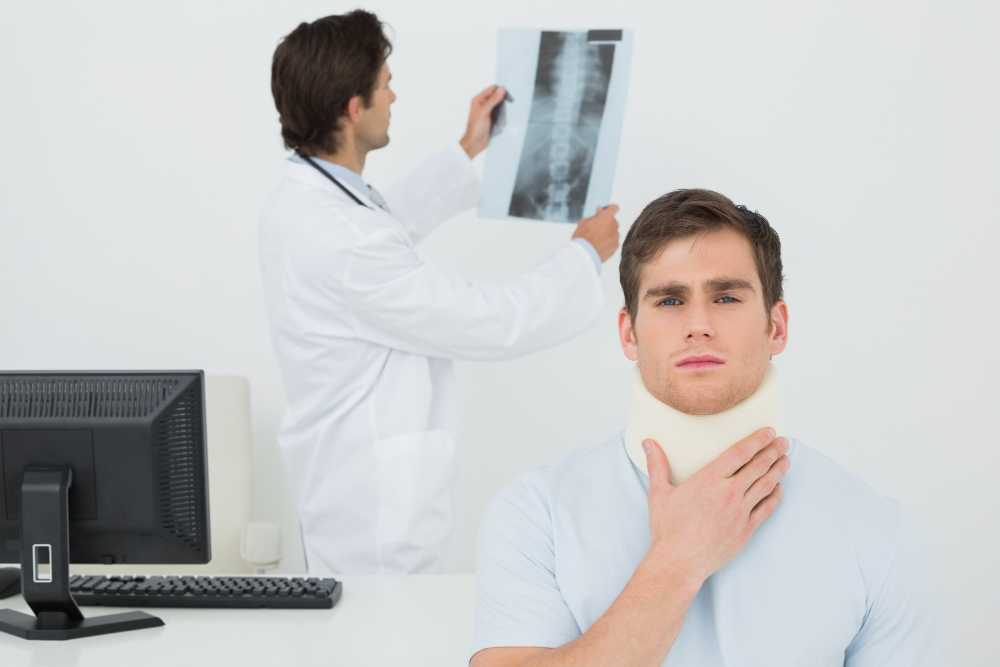
A clavicle fracture, also known as a broken collarbone, is a common injury. It can happen to anyone, but it is especially frequent in children and young adults. Understanding clavicle fracture symptoms, causes, and treatment options is important. This knowledge can help you seek care quickly and recover well.
What is a Clavicle Fracture?
The clavicle is the bone that connects your breastbone to your shoulder. It sits just under the skin, so it is easy to feel. When this bone breaks, it is called a clavicle fracture. Most often, the break happens in the middle part of the bone. Because the clavicle helps move your arm, a fracture can make daily activities hard.
Common Symptoms of Clavicle Fracture
After a fall or injury, you may notice signs of a broken collarbone. Early recognition of these symptoms can help you get the right treatment. Common clavicle fracture symptoms include:
Sometimes, you may also feel numbness or tingling in the arm. This can happen if nerves are affected. However, not everyone will have all these symptoms.
Causes and Risk Factors
Clavicle fractures often result from direct impact or a fall. Some common causes include:
Additionally, certain factors can increase your risk. For example, children and teenagers are more likely to break their collarbone because their bones are still growing. Older adults may also be at risk due to weaker bones.
How Clavicle Fractures are Diagnosed
If you suspect a clavicle fracture, it is important to see a doctor. First, the doctor will ask about your injury and symptoms. Next, they will examine your shoulder and collarbone. Often, the doctor will order an X-ray to confirm the break and see how severe it is. In rare cases, a CT scan may be needed for a closer look. Early diagnosis helps guide the best treatment plan.
Treatment Options for Clavicle Fracture
Treatment for a broken collarbone depends on the type and location of the fracture. Most clavicle fractures heal without surgery. Common treatment options include:
However, some severe fractures may need surgery. For example, if the bone is badly out of place or has broken through the skin, surgery may be recommended. Metal plates or screws are sometimes used to hold the bone in place while it heals.
Recovery and Lifestyle Tips
Most people recover from a clavicle fracture in six to twelve weeks. During this time, it is important to follow your doctor’s advice. Here are some tips to help your recovery:
Gradually, you will regain strength and movement. But, returning to sports or heavy work too soon can delay healing. Always check with your doctor before resuming activities.
Prevention Strategies
While not all clavicle fractures can be prevented, you can lower your risk. Consider these prevention tips:
For older adults, regular check-ups and bone health screenings can help prevent fractures.
If you think you have a clavicle fracture, do not wait. Consult an orthopedic specialist at Jivanrekha Multispeciality Hospital Pvt Ltd for personalized advice on clavicle fracture management.