What is Drug Poisoning?
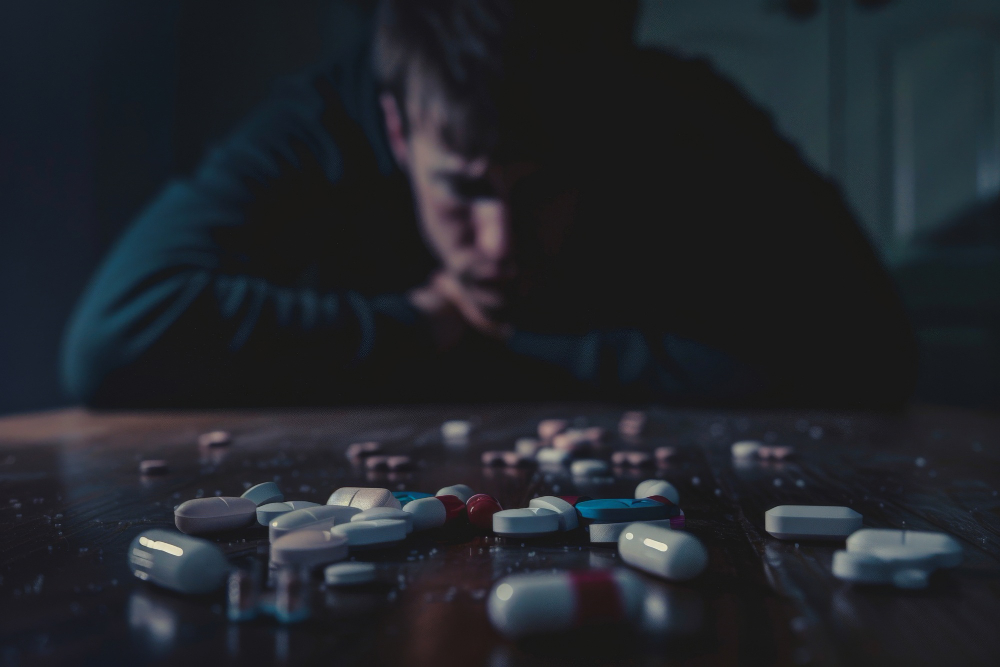
Drug poisoning happens when someone takes too much of a drug or medicine. Sometimes, it is by accident. Other times, it may be on purpose. Either way, drug poisoning is a medical emergency. Quick action can save lives. In the US, drug poisoning is a leading cause of injury-related death. According to the CDC, thousands of people are affected each year. Because of this, knowing what to do is very important.
Common Causes of Drug Poisoning
There are many reasons why drug poisoning can happen. Some of the most common causes include:
For example, older adults may mix up their pills. Children may find and swallow medicine. In addition, people may take more than the safe dose. Because of these risks, preventing accidental overdose is key.
Recognizing Symptoms of Drug Poisoning
Early signs of drug poisoning can be easy to miss. However, knowing what to look for can help you act fast. Common symptoms include:
Sometimes, symptoms appear quickly. Other times, they may take hours. If you notice any of these signs of drug poisoning, act right away.
Immediate Steps to Take in Case of Drug Poisoning
If you think someone has drug poisoning, every second counts. Here is what you should do:
Because quick action can save lives, do not wait for symptoms to get worse. Emergency response for poisoning is vital.
Treatment Options for Drug Poisoning
Treatment depends on the type of drug and how much was taken. In hospitals, doctors may:
Sometimes, people need to stay in the hospital for a while. Because each case is different, doctors choose the best treatment for each person.
Prevention Tips for Drug Poisoning
Preventing accidental overdose and drug poisoning is possible. Here are some simple tips:
In addition, always check with a healthcare provider before mixing drugs or taking new ones. These steps can help prevent drug poisoning in your home.
When to Seek Emergency Help
If you suspect drug poisoning, do not wait. Seek emergency help right away if the person:
Even if you are unsure, it is better to be safe. Because drug poisoning can get worse quickly, fast action is always best.
Conclusion
Drug poisoning is serious, but you can help save lives by acting fast. If you suspect drug poisoning, seek emergency medical help immediately at Jivanrekha Multispeciality Hospital. For more advice on preventing accidental overdose, talk to your healthcare provider. Stay informed and keep your loved ones safe.