
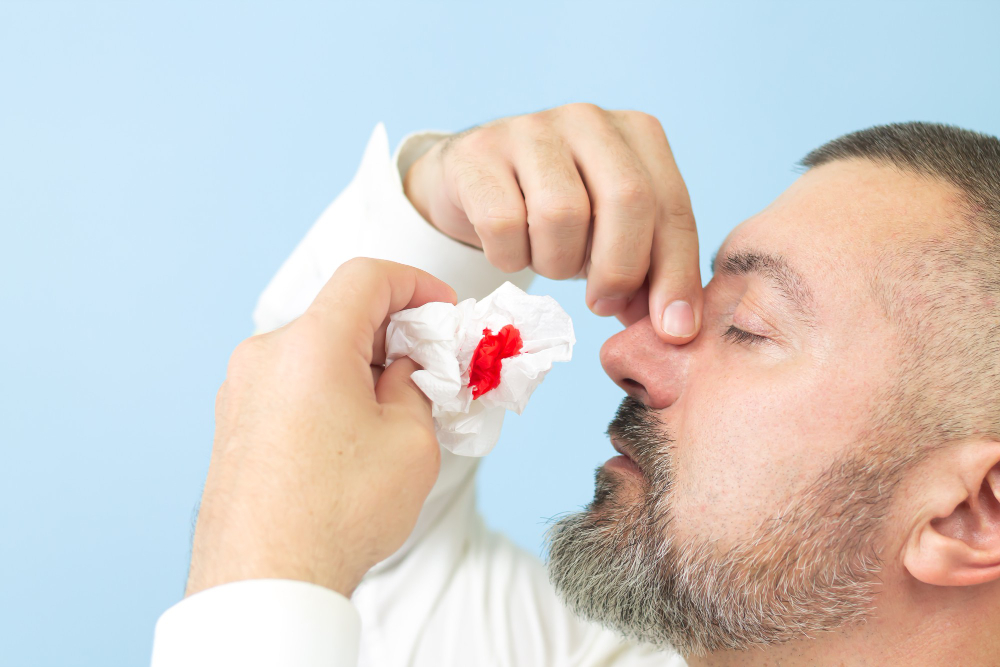
What is Epistaxis?
Epistaxis, also known as a nosebleed, happens when blood flows from the nose. Many people experience nosebleeds at some point. In fact, epistaxis is a common problem for both children and adults. Usually, nosebleeds are not serious. However, they can sometimes be a sign of a bigger health issue. Because of this, it is important to know how to handle them quickly and safely.
Common Causes of Nosebleeds
There are many reasons why nosebleeds occur. Often, the cause is simple and not dangerous. For example, dry air can make the inside of your nose crack and bleed. Other common causes include:
Sometimes, nosebleeds happen for no clear reason. But if they occur often, it is wise to look for an underlying cause.
Recognizing Symptoms
Most nosebleeds are easy to spot. Usually, you will see blood coming from one or both nostrils. Sometimes, the blood may drip down the back of your throat. In addition, you may taste blood in your mouth. Although most nosebleeds are mild, some can cause heavy bleeding. If you feel dizzy, weak, or have trouble breathing, you should seek help right away.
Quick Fixes: First Aid for Nosebleeds
When a nosebleed starts, it can be scary. However, most can be stopped at home with simple first aid. Here are the steps you should follow:
Do not tilt your head back. This can cause blood to flow into your throat or stomach. If bleeding does not stop after 20 minutes, you should get medical help.
When to Seek Medical Help
Most nosebleeds are not dangerous. Still, there are times when you should see a doctor. For example, seek help if:
According to the Centers for Disease Control and Prevention (CDC), frequent or severe nosebleeds may need special care. Therefore, do not ignore these warning signs.
Prevention Tips
There are simple ways to lower your risk of nosebleeds. For instance, you can:
In addition, drinking enough water can help keep your nose healthy. If you live in a dry area, take extra care to prevent dryness inside your nose.
Conclusion
To sum up, epistaxis or nosebleeds are common and usually not serious. Most can be managed at home with quick first aid. However, if you have frequent or heavy nosebleeds, it is important to see a doctor. If you experience frequent or severe nosebleeds, consult an ENT specialist at Jivanrekha Multispeciality Hospital Pvt Ltd for personalized advice.