
What is a Meniscus Tear?
The meniscus is a small, C-shaped piece of cartilage in your knee. It acts as a cushion between your thigh bone and shin bone. Sometimes, this cartilage can tear. Often, a meniscus tear happens during sports or sudden twisting movements. However, it can also occur from simple daily activities, especially as we age. Knee arthroscopy for meniscus tear is a common way to treat this injury.
Symptoms of a Meniscus Tear
Many people notice symptoms soon after the injury. But sometimes, signs may appear slowly. For example, you might feel pain or swelling in your knee. Other symptoms include:
Because these symptoms can also occur with other knee problems, it is important to get a proper diagnosis.
Diagnosis of Meniscus Tears
First, your doctor will ask about your symptoms and how the injury happened. Next, they will examine your knee. They may move your leg in different ways to check for pain or clicking. In many cases, doctors use imaging tests. For instance, an MRI scan can show the meniscus and any tears. X-rays may also be used to rule out broken bones. Early diagnosis helps guide the best meniscus tear treatment.
What is Knee Arthroscopy?
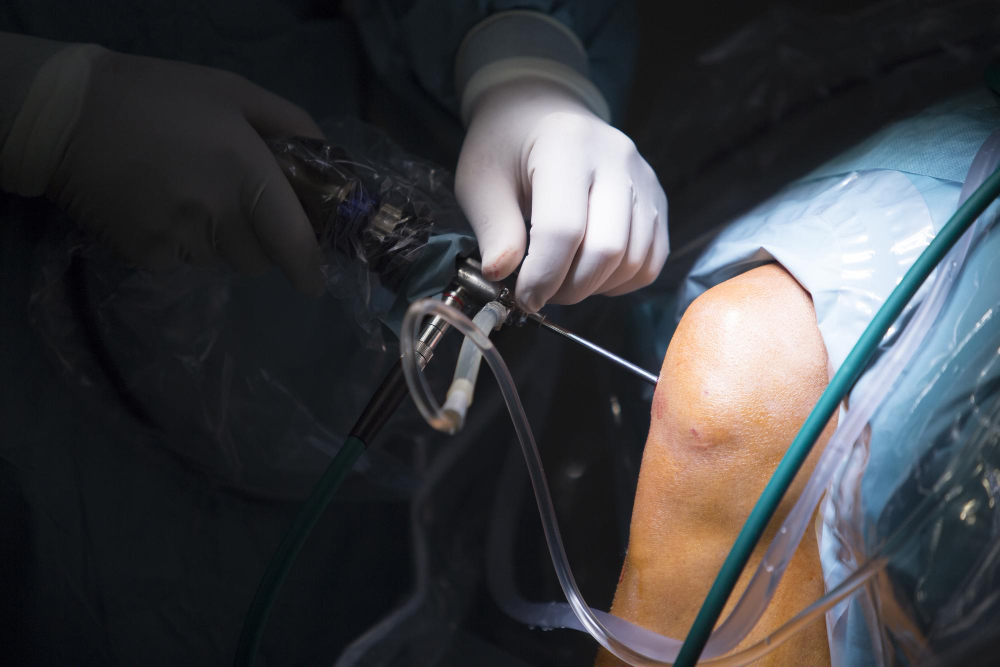
Knee arthroscopy is a type of minimally invasive knee surgery. During this procedure, the surgeon makes small cuts around your knee. Then, they insert a tiny camera called an arthroscope. This camera lets the doctor see inside your knee joint. Special tools are used to repair or remove the torn meniscus. Because the cuts are small, recovery is often quicker than with open surgery.
How Knee Arthroscopy Treats Meniscus Tears
During knee arthroscopy for meniscus tear, the surgeon looks at the damage. Sometimes, they can repair the torn cartilage with stitches. Other times, they may trim away the damaged part. The choice depends on the size and location of the tear. For example, tears near the outer edge of the meniscus heal better. In contrast, tears in the inner part may need removal. This approach is less painful and helps you return to activity sooner.
Benefits and Risks of Knee Arthroscopy
Knee arthroscopy offers many benefits. For instance, it uses small cuts, so there is less pain and scarring. Recovery is usually faster than with traditional surgery. Other benefits include:
However, every surgery has risks. These may include:
Although problems are rare, it is important to discuss risks with your doctor. According to the American Academy of Orthopaedic Surgeons, most people recover well after arthroscopic knee surgery.
Recovery and Aftercare Tips
After knee arthroscopy for meniscus tear, you can often go home the same day. Recovery time varies, but most people return to normal activities within a few weeks. To help your knee heal, follow these tips:
Because everyone heals differently, always follow your doctor’s instructions. If you notice redness, fever, or severe pain, contact your healthcare provider right away.
Prevention and Lifestyle Guidance
While not all meniscus tears can be prevented, you can lower your risk. For example, you can:
Additionally, maintaining a healthy weight reduces stress on your knees. Regular exercise keeps your joints strong and flexible. If you have knee pain, seek help early to prevent further injury.
In summary, knee arthroscopy for meniscus tear is a safe and effective treatment. It helps many people return to their normal lives quickly. Consult an orthopedic specialist at Jivanrekha Multispeciality Hospital for personalized advice on knee arthroscopy for meniscus tears.