
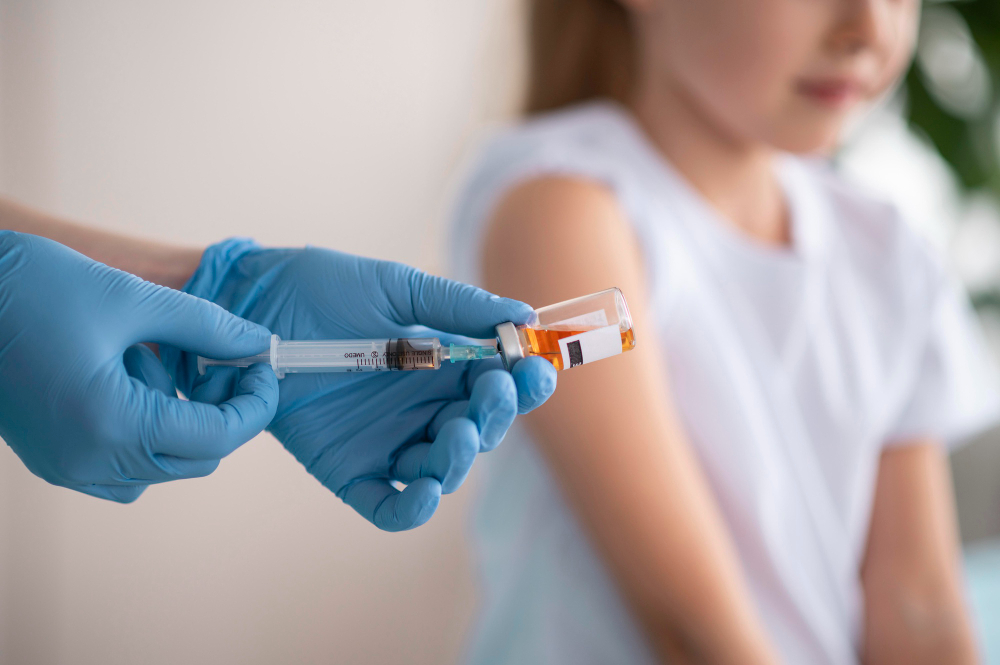
Vaccinations in children are a key part of keeping kids healthy. These vaccines help protect children from many serious diseases. In fact, following the childhood immunization schedule can prevent illnesses like measles, mumps, and polio. Because vaccines are safe and effective, they play a big role in public health. Let’s explore why vaccinations in children matter, how they work, and what parents need to know.
What Are Vaccinations in Children?
Vaccinations in children are shots or drops given to protect them from certain diseases. These vaccines teach the body to fight off germs before they can cause harm. For example, the measles vaccine helps the body build defenses against the measles virus. Most vaccines are given in a doctor’s office or clinic. Some are given as a single shot, while others need several doses over time.
Why Are Childhood Vaccinations Important?
First, vaccines save lives. They stop children from getting sick with dangerous diseases. Also, vaccines help prevent the spread of illness in schools and communities. Because of vaccines, many diseases that once caused outbreaks are now rare. For example, polio is almost gone in many countries. According to the World Health Organization (WHO), vaccines prevent 2–3 million deaths every year. So, keeping up with vaccines is one of the best ways to protect your child’s health.
Recommended Vaccination Schedule for Children
Doctors follow a set schedule for childhood immunizations. This schedule tells parents when each vaccine should be given. The Centers for Disease Control and Prevention (CDC) updates this schedule every year. Here is a simple outline of common vaccines and when children usually get them:
Because each child is unique, your doctor may adjust the schedule. Always check with your pediatrician for the most up-to-date advice.
Common Myths and Facts About Vaccines
Many parents hear myths about vaccines. However, it is important to know the facts. Here are some common myths and the truth behind them:
So, trusting reliable sources like the CDC and WHO can help parents make informed choices.
Safety and Side Effects of Childhood Vaccines
Vaccines for children go through strict testing before approval. Most side effects are mild and go away quickly. For example, your child may have a sore arm, mild fever, or redness at the shot site. Serious side effects are very rare. Because vaccine safety for kids is a top priority, doctors and health agencies watch for any problems. If you notice anything unusual after a vaccine, contact your doctor right away.
How to Prepare Your Child for Vaccinations
Getting a shot can make some children nervous. However, there are ways to help your child feel better:
Because preparation can ease fear, your child may feel more relaxed at the doctor’s office.
Tips for Parents: Keeping Track of Vaccinations
It is important to keep a record of your child’s vaccines. Here are some tips for staying organized:
Because missing a dose can leave your child unprotected, always follow up on scheduled vaccines.
Prevention and Community Benefits
Vaccines do more than protect your child. They also help protect others in your community. When most people get vaccinated, diseases have less chance to spread. This is called herd immunity. For example, babies who are too young for some vaccines rely on others to be protected. So, by keeping up with childhood immunizations, you help keep everyone safer.
In summary, vaccinations in children are safe, effective, and vital for good health. They protect your child and your community from serious diseases. Consult your pediatrician at Jivanrekha Multispeciality Hospital Pvt Ltd for personalized vaccination advice and to keep your child’s immunizations up to date.