What Is Hypertension?
Hypertension, also called high blood pressure, means the force of blood against your artery walls is too high. Over time, this can harm your heart and other organs. In the United States, millions of adults have hypertension, but many do not know it. Early treatment of hypertension is important for good health.
Why Is Treating Hypertension Important?
Untreated high blood pressure can lead to serious problems. For example, it can cause heart attacks, strokes, kidney damage, and vision loss. However, with the right treatment, you can lower your risk. According to the CDC, controlling blood pressure helps you live longer and healthier.
Overview of Treatment Options
There are many ways to manage and treat hypertension. Often, a mix of lifestyle changes and medicine works best. Let’s look at the main options.
Lifestyle Modifications
First, making healthy changes in your daily life can help lower high blood pressure. Here are some proven steps:
Common Medications
Sometimes, lifestyle changes are not enough. In that case, your doctor may prescribe medicine. There are several types of blood pressure medicines. Each works in a different way:
It is important to take your medicine as your doctor tells you. Even if you feel fine, do not stop without talking to your doctor. Skipping doses can raise your risk of problems.
Monitoring Blood Pressure at Home
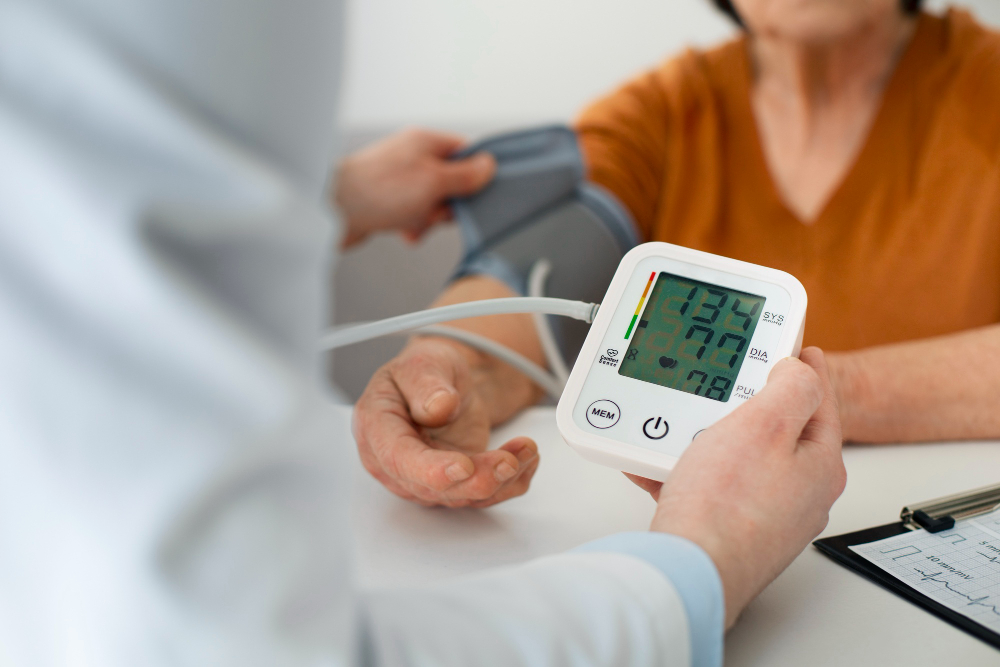
Checking your blood pressure at home helps you and your doctor see how well your treatment works. You can use a home blood pressure monitor. Write down your numbers and bring them to your appointments. This helps your doctor adjust your plan if needed.
Tips for Successful Long-Term Management
Managing hypertension is a lifelong task. But with the right steps, you can keep your blood pressure in a healthy range. Here are some tips:
When to Seek Medical Help
Sometimes, high blood pressure can cause symptoms like severe headache, chest pain, shortness of breath, or vision changes. If you have these, seek medical help right away. Also, contact your doctor if your blood pressure stays high or if you have side effects from your medicine.
Conclusion
In summary, the treatment of hypertension involves healthy habits, medicine, and regular monitoring. With the right plan, you can lower your risk of serious health problems. Consult a healthcare professional at Jivanrekha Multispeciality Hospital Pvt Ltd for personalized advice on managing hypertension.