
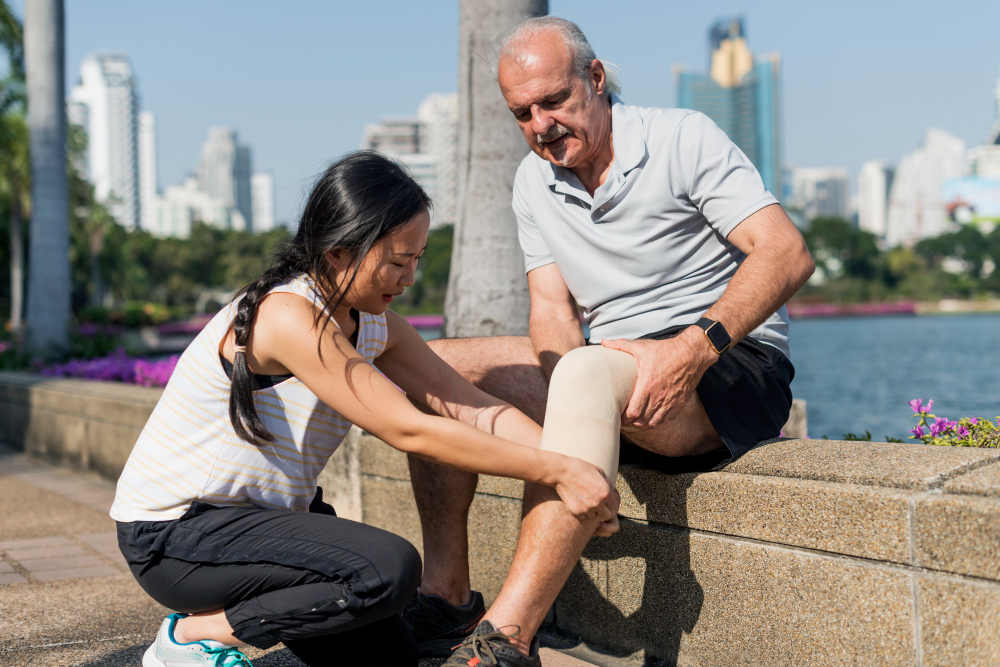
Introduction to PCL Injuries
PCL injuries are a type of orthopedic knee injury that can affect anyone. The posterior cruciate ligament (PCL) is important for knee stability. When this ligament is hurt, it can cause pain and limit movement. Early recognition of PCL tear symptoms helps in getting the right treatment. In this blog, you will learn about PCL injuries, their causes, symptoms, diagnosis, and treatment options.
What is the Posterior Cruciate Ligament (PCL)?
The PCL is a strong band of tissue inside your knee. It connects the thigh bone (femur) to the shin bone (tibia). Because it sits behind the anterior cruciate ligament (ACL), it is called the posterior cruciate ligament. The PCL keeps your knee stable, especially when you walk or run. If the PCL is injured, your knee may feel loose or weak.
Common Causes of PCL Injuries
PCL injuries often happen during accidents or sports. Sometimes, a direct blow to the front of the knee can cause a posterior cruciate ligament injury. Other times, sudden stops or twists may lead to a PCL tear. Here are some common causes:
Although anyone can get a PCL injury, athletes and active people are at higher risk.
Symptoms of PCL Injuries
PCL tear symptoms can vary from mild to severe. Sometimes, people do not notice the injury right away. However, certain signs can help you spot a problem. Common symptoms include:
If you notice these symptoms, it is important to seek medical help. Early treatment can prevent further damage.
How PCL Injuries are Diagnosed
Doctors use several steps to diagnose PCL injuries. First, they ask about how the injury happened. Next, they check your knee for swelling, tenderness, and movement. Often, doctors use special tests to see if the PCL is loose. In many cases, imaging tests help confirm the diagnosis. These may include:
With these tools, doctors can tell how serious the PCL injury is and plan the best treatment.
Treatment Options for PCL Injuries
PCL injury treatment depends on how bad the injury is. For mild cases, rest and simple care may be enough. However, severe tears might need surgery. Common treatment options include:
Most people recover well with the right care. Still, following your doctor’s advice is key for a full recovery.
Prevention and Recovery Tips
Although not all PCL injuries can be prevented, some steps lower your risk. For example, you can:
During recovery, follow your physical therapy plan. In addition, avoid returning to sports too soon. This helps prevent re-injury and supports long-term knee health.
When to See an Orthopedic Specialist
If you have knee pain, swelling, or trouble moving your knee, see a doctor. Especially if symptoms do not improve with rest, it is wise to consult an orthopedic specialist. Early care can prevent long-term problems. Moreover, a specialist can guide you on the best PCL injury treatment for your needs.
In summary, understanding PCL injuries helps you take the right steps for care and recovery. Consult an orthopedic specialist at Jivanrekha Multispeciality Hospital Pvt Ltd for personalized advice on PCL injuries.