
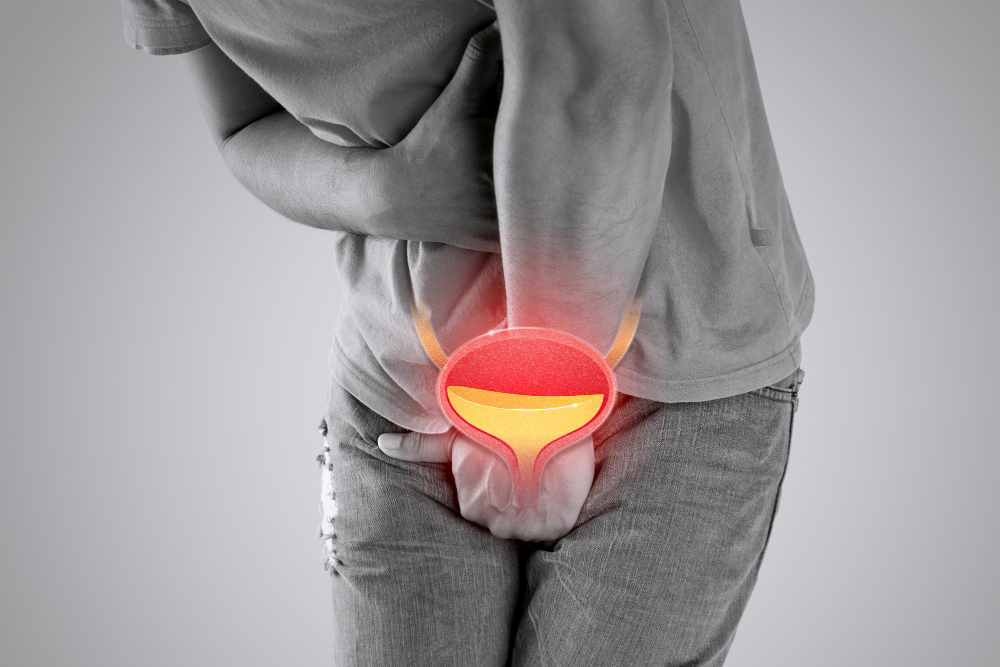
What is a UTI?
Urinary tract infections, or UTIs, happen when germs enter the urinary system. This system includes the bladder, kidneys, and the tubes that carry urine. UTIs are common and can affect anyone. However, women get them more often than men. Because UTIs can lead to serious problems if not treated, they are a concern in emergency medicine. Early care helps prevent kidney infections and other complications.
Common Symptoms of UTIs
Recognizing UTI symptoms early is important. If you notice these signs, you may have a UTI:
Sometimes, children and older adults may show different symptoms. For example, confusion or sudden changes in behavior can be a sign in seniors.
Causes and Risk Factors
Most UTIs are caused by bacteria, especially Escherichia coli (E. coli). These germs usually live in the gut but can enter the urinary tract. There are several risk factors that make UTIs more likely:
In addition, people with diabetes or those who have trouble fully emptying their bladder are at higher risk.
How UTIs are Diagnosed
Doctors diagnose UTIs by asking about your symptoms and testing your urine. First, you will be asked to give a urine sample. Then, the sample is checked for bacteria, blood, or pus. Sometimes, more tests are needed if you get UTIs often or if your symptoms are severe. For example, a doctor may order an ultrasound or a CT scan to look for blockages.
Treatment Options
UTIs are usually treated with antibiotics. Your doctor will choose the best medicine based on your symptoms and test results. It is important to take all the medicine, even if you feel better quickly. This helps prevent the infection from coming back. In some cases, pain relievers may be given to ease discomfort. Drinking plenty of water can also help flush out bacteria. For severe infections, especially those that reach the kidneys, you may need treatment in a hospital.
Prevention Tips to Stay Safe and Healthy
There are simple steps you can take to lower your risk of getting a UTI. Here are some tips to help you stay healthy:
In hot and humid places, like many cities in India, staying hydrated is even more important. Because sweating can lead to dehydration, remember to drink extra water during summer months.
When to Seek Emergency Care
Sometimes, a UTI can become serious and needs quick medical attention. Seek emergency care if you have:
These can be signs that the infection has spread to your kidneys or bloodstream. Quick treatment can prevent serious health problems.
Conclusion
In summary, UTIs are common but can be serious if not treated early. Knowing the symptoms, causes, and ways to prevent UTIs can help you stay safe and healthy. If you think you have a UTI or notice emergency signs, consult a healthcare professional at Jivanrekha Multispeciality Hospital right away. Your doctor can give you the best advice and treatment for your needs.